NASA Locks In New Moon Landing Architecture
Space agency officials confirmed a revised approach for Artemis missions, setting a path for crewed lunar surface access by 2028.
By Wei Zhang ·
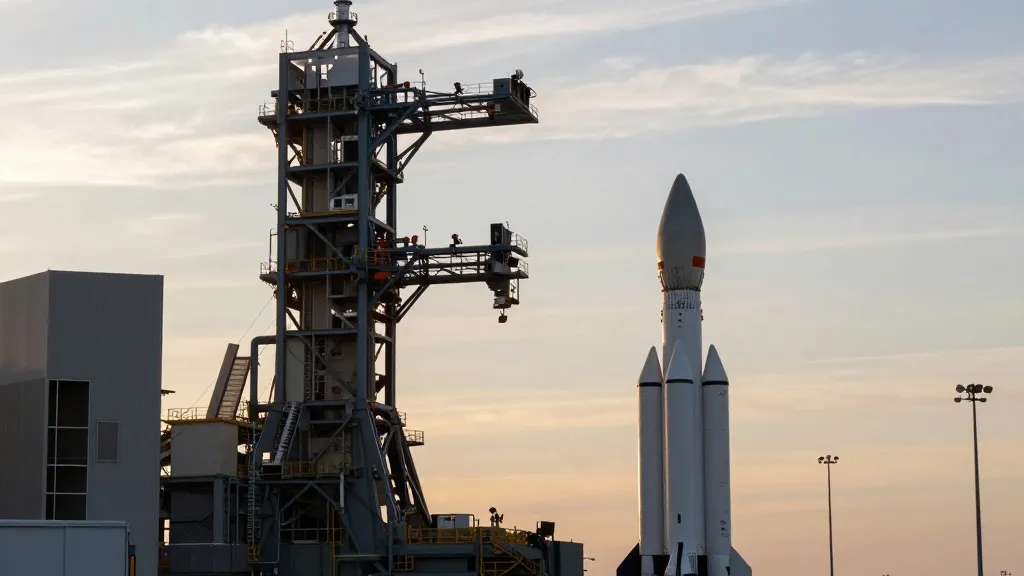
The path to getting humans back to the Moon has just become clearer. NASA officials laid out a specific set of changes to how astronauts will travel and land. These updates affect the timeline for the next crewed missions. The agency now aims to put boots on the lunar surface by 2028. This follows a long period of uncertainty regarding the hardware involved.
The shift comes after months of internal reviews. Early in 2026, SpaceX engineers met with NASA leadership. They requested a change to the docking procedure. The previous plan required a complex maneuver in a specific orbit around the Moon. That orbit demanded significant energy and presented technical hurdles. The cancellation of the Lunar Gateway project earlier this year removed that requirement. This simplification helps SpaceX proceed with its Starship vehicle.
The new architecture treats the two primary lander contractors differently. For SpaceX, the plan calls for a specific docking sequence. The Orion spacecraft will meet the Starship lander in high-Earth orbit. From there, the combined vehicles will travel to the Moon. This changes the previous expectation of a lunar orbit rendezvous. For Blue Origin, the mission design relies on four separate launches of the New Glenn rocket. This approach avoids the need for refueling between spacecraft in space. The Blue Moon lander may also rendezvous with Orion in low-Lunar orbit.
NASA leaders presented these details during a lengthy news conference on Friday. It was the first time the agency provided such a granular overview of the Artemis Program. The officials confirmed that the Artemis III mission remains on track for a summer 2027 launch. This mission serves as a demonstration. It involves docking with both the Blue Moon and Starship vehicles near Earth. Following that test, the agency targets a 2028 launch for Artemis IV. That mission would mark the actual return of astronauts to the lunar surface.
NASA Administrator Jared Isaacman emphasized the agency's confidence in the plan. He stated that the path is achievable. “We have the mandate, we have the resources, and the support from our stakeholders to be able to execute, and that’s what we intend to do,” Isaacman said. His comments reflect a leadership team that has scrutinized every element of the program. They sought changes that would help the lander companies accelerate their work.
The next few years will test this new strategy. The summer 2027 window for Artemis III is the immediate milestone. Success in that demonstration is critical for the 2028 surface landing. The agency believes this revised structure solves the long-standing issues that previously stalled progress. The focus now shifts to execution and meeting these tight deadlines.
For now, the blueprint is set. The distinct paths for SpaceX and Blue Origin are defined. The docking points and launch sequences are no longer theoretical. The agency has moved from planning to a defined execution phase. The coming months will show if the hardware can keep pace with the schedule.
Source: Ars Technica